
How to Train in the Gym with an Injury: Smart Strategies for Staying in the Game
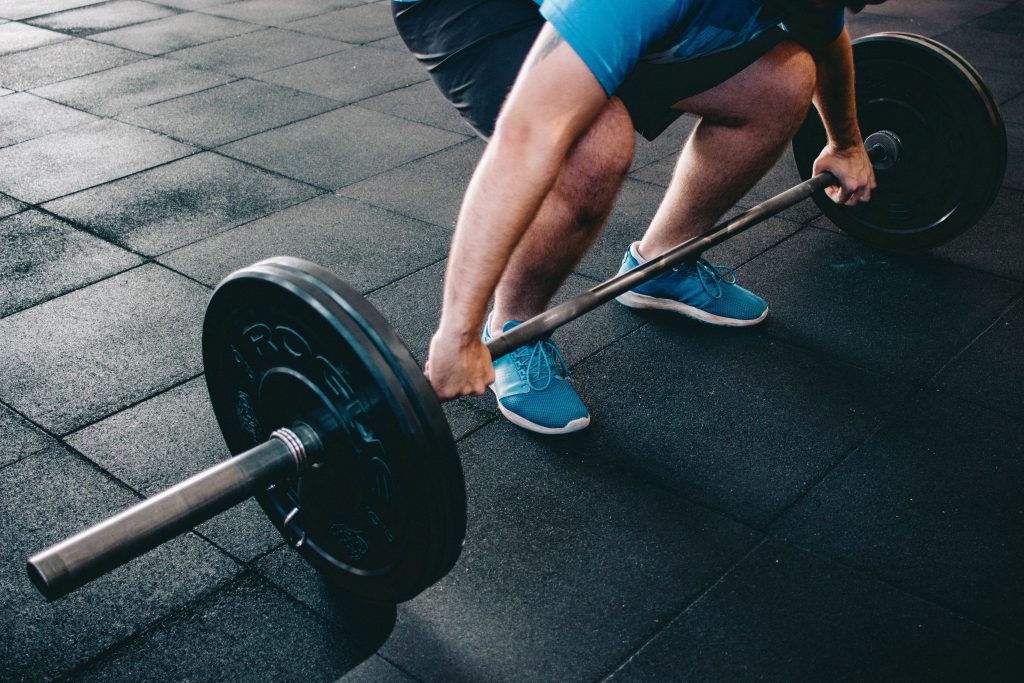
Injuries are an unfortunate but common part of an active lifestyle. Whether it’s a nagging shoulder, a pulled muscle, or post-surgical recovery, being sidelined is frustrating—especially when you’ve built a consistent gym routine. But here’s the good news: an injury doesn’t mean you have to stop training altogether.
In fact, when approached intelligently, working out with an injury can:
-
Accelerate recovery
-
Preserve muscle mass
-
Maintain mental well-being
-
Prevent deconditioning
The key? Train smart—not harder. This isn’t about pushing through pain or “toughing it out.” It’s about adjusting your approach so you can stay in the game safely and effectively.
Let’s dive into seven real-world strategies to help you stay active in the gym without worsening your injury.
1. Respect the Injury—Don’t Ignore It
Let’s start with the most important rule: don’t pretend your injury doesn’t exist. Too many lifters try to “power through” discomfort, masking the pain with ego, adrenaline, or painkillers. This is the fast track to a bigger, more serious injury.
Pain = Your Body’s Alarm System
Discomfort is one thing—sharp, stabbing, or persistent pain is another. It’s your body’s way of saying “stop.” Ignoring it or trying to push through can delay healing or even create long-term issues.
Rule of thumb:
If it hurts, skip it. Pain is not weakness leaving the body—it’s a message.
2. Train Around the Injury
Just because one area is hurt doesn’t mean the rest of your body needs to sit idle. In most cases, you can continue training the non-injured areas, which helps you maintain strength, mobility, and routine.
Example Workarounds:
-
Shoulder Injury:
Focus on lower-body training, core stability, and cardio such as cycling or incline treadmill walking. -
Knee Injury:
Work on upper body, resistance band exercises, machines, and swimming for low-impact movement. -
Back Strain:
Avoid heavy compound lifts. Focus on isolated machine work, core activation, and controlled tempo movements.
Pro Tip: Training the opposite limb (e.g., your left arm if your right is injured) may help preserve strength in the injured limb through a phenomenon called cross-education—a powerful neurological benefit.
3. Switch to Machines or Resistance Bands
Free weights require joint stability and balance, which can aggravate an existing injury. Switching to machines or resistance bands allows for more control, less stress on surrounding tissues, and isolation of safe muscle groups.
Why Machines Help:
-
Stabilization is handled for you
-
Easier to maintain strict form
-
Safer to push muscle without risking reinjury
Why Resistance Bands Help:
-
Controlled tension throughout the movement
-
Gentle on joints
-
Highly adjustable and portable
You don’t need to go heavy to make progress. The focus shifts from intensity to precision and control.
4. Use Tempo Training and Isometric Holds
If heavy loads are out of the question, you can still stimulate growth and retain strength through tempo control and isometrics.
Tempo Training Example:
Try a rep with:
-
3–5 seconds lowering (eccentric)
-
1-second pause
-
2 seconds lifting (concentric)
This forces your muscles to work harder under less load, reducing joint strain while maximizing time under tension.
Isometrics:
Holding a contraction without movement can activate muscles and strengthen tissue without risky ranges of motion.
Example: Wall sits, plank holds, or holding a dumbbell halfway through a curl. These are great for joint safety and can keep muscles engaged during recovery.
5. Make Rehab Part of Your Workout
Here’s a mindset shift: Rehab is training. Don’t think of physical therapy exercises as a separate “side task.” Include them as part of your warm-up, cooldown, or even your main workout.
Rehab Integration Tips:
-
Start sessions with prescribed mobility drills
-
Add stability or activation exercises between strength sets
-
End workouts with corrective movements or stretches
Consistent rehab builds long-term resilience and helps you return to full strength faster. Plus, it builds better movement patterns, which can prevent future injuries.
6. Focus on What You Can Control
Injuries can mess with your momentum—but they also create opportunity. While one part of your body heals, use the time to sharpen other areas of fitness and wellness.
What You Can Work On:
-
Nutrition: Dial in your protein intake, balance macros, or clean up your eating habits.
-
Sleep: Prioritize high-quality rest to boost recovery and hormone function.
-
Mindset: Cultivate patience, mental toughness, and emotional regulation.
Sometimes, the best transformations come when you’re forced to slow down and reevaluate your habits. Don’t waste the moment.
7. Get Professional Guidance
If you’re unsure about training with an injury—or how to avoid aggravating it—seek expert help. A certified physical therapist, rehab-focused trainer, or sports medicine doctor can create a plan that:
-
Promotes healing
-
Avoids risk
-
Keeps you mentally and physically engaged
Avoid guessing your way through pain. That’s not bravery—it’s recklessness.
Remember: The gym should build you, not break you. There’s no shame in asking for help—it could mean the difference between a successful recovery and months of setbacks.
Smart Recovery Tips for Gym-Goers
Here’s a quick summary of smart rules to follow when training with an injury:
✅ Listen to pain signals—don’t ignore them
✅ Modify workouts based on injury location
✅ Use machines and bands for safety and control
✅ Control your tempo—focus on slow, strict reps
✅ Include rehab work in every session
✅ Improve sleep, nutrition, and mindset
✅ Get a professional opinion when in doubt
Final Thoughts: Stay in the Game, Don’t Rush the Return
Training through an injury isn’t about proving how tough you are—it’s about showing how smart and consistent you can be.
With a few adjustments, you can continue training, keep your gains, and maintain your momentum—all without making things worse.
So respect the injury, adjust your strategy, and focus on what’s possible. The gym will still be there when you’re 100%—and if you do things right, you’ll come back even stronger.