
The Benefits of Vegan Protein Over Animal Protein
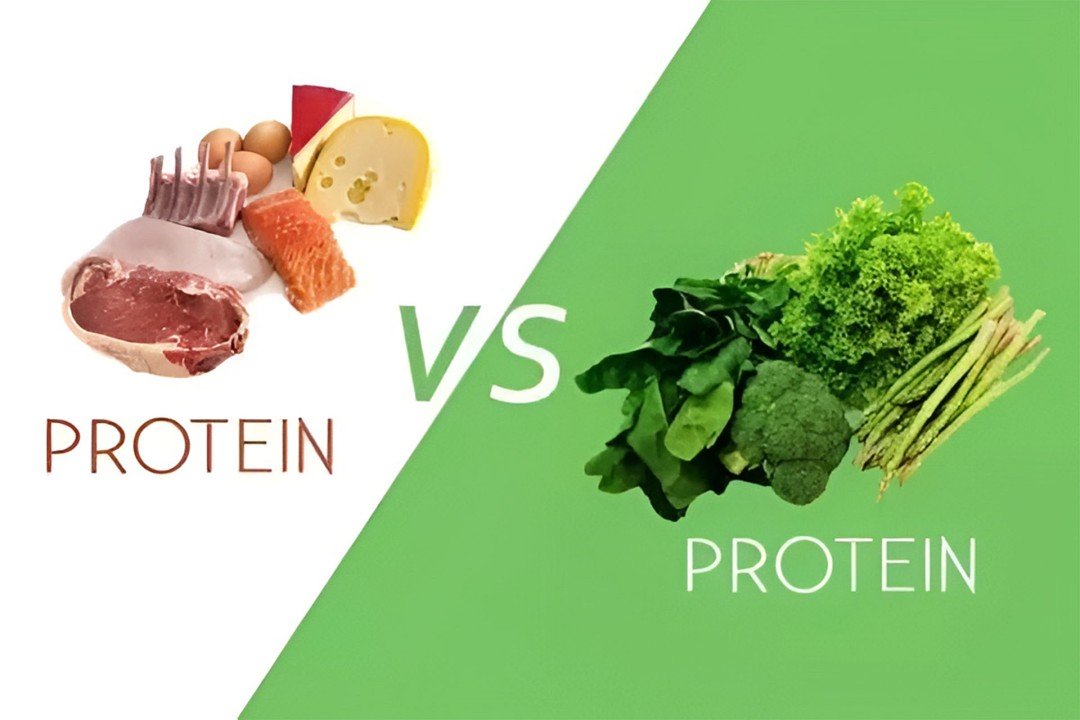
In today’s health-conscious world, protein is often the star of the nutritional show. While animal protein has long been the go-to for building muscle and strength, vegan protein sources are rapidly gaining popularity—and for good reason. Beyond ethics and sustainability, vegan protein offers a range of benefits that make it an excellent choice for both everyday health and long-term wellness.
Cleaner and Easier on the Body
Vegan protein sources—such as legumes, nuts, seeds, whole grains, and plant-based powders—are generally lower in saturated fat and cholesterol than meat or dairy. This makes them gentler on the cardiovascular system and easier for the body to digest and process. Animal proteins, especially red and processed meats, have been linked to increased risks of heart disease, certain cancers, and inflammation. Vegan proteins sidestep those risks while still fueling the body effectively.
Rich in Fiber and Micronutrients
Unlike animal protein, vegan protein sources come bundled with fiber, which supports digestion, blood sugar regulation, and gut health. Additionally, plant-based proteins are often rich in antioxidants, vitamins (like folate and vitamin C), and minerals (like magnesium and potassium). This nutrient diversity contributes to better metabolic health, immune support, and long-term disease prevention.
Supports Kidney Health
High intake of animal protein can stress the kidneys, especially in individuals with compromised kidney function. Vegan proteins, by contrast, tend to be less acidic and place less strain on renal function. This makes them a smart option for people looking to preserve kidney health or manage early-stage kidney disease.
Environmentally Friendly
One of the standout benefits of vegan protein is its low environmental impact. Producing plant-based protein requires less water, land, and energy, and generates fewer greenhouse gas emissions than animal agriculture. Choosing vegan protein isn’t just good for your body—it’s a vote for a more sustainable planet.
Lower Risk of Chronic Disease
Studies consistently show that plant-based diets are associated with a lower risk of chronic diseases such as type 2 diabetes, hypertension, and certain cancers. Even modest reductions in animal protein intake, when replaced with plant-based alternatives, have been shown to improve metabolic markers and reduce inflammation.
No Hormones or Antibiotics
Animal protein often comes from animals treated with growth hormones and antibiotics, especially in industrial farming. These substances can make their way into your food and potentially impact hormone balance or antibiotic resistance in humans. Vegan proteins are free from these additives, offering a cleaner and more natural source of nourishment.
Versatile and Allergen-Friendly Options
While some people are allergic or sensitive to dairy or eggs, plant proteins offer a wide range of choices—pea, rice, hemp, chia, soy, quinoa, and more—many of which are hypoallergenic and suitable for people with dietary restrictions. This diversity makes it easier to customize protein intake without sacrificing nutrition.